Top Benefits of AED Certification for Professionals
In today's fast-paced world, the importance of being prepared for emergencies cannot be overstated. Sudden cardiac arrests can happen anywhere, and having the skills to respond effectively can save lives. One of the most critical skills to acquire is AED certification. This blog post explores the top benefits of obtaining AED certification for professionals across various fields.
Understanding AED Certification
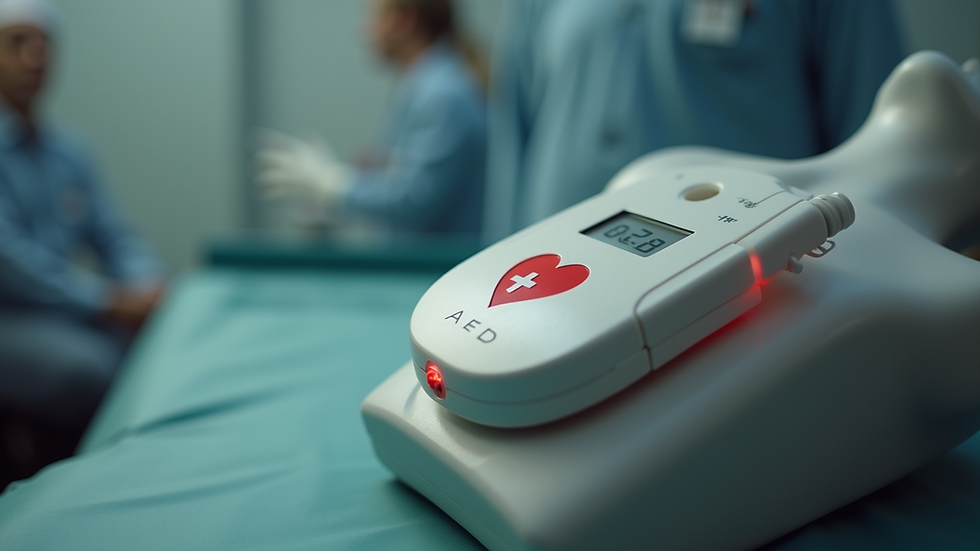
Before diving into the benefits, it's essential to understand what AED certification entails. AED stands for Automated External Defibrillator, a device that can analyze heart rhythms and deliver an electric shock to restore a normal rhythm during cardiac arrest. Certification programs typically include training on how to use an AED, perform CPR, and recognize the signs of a heart attack.
Who Should Get AED Certified?
AED certification is beneficial for a wide range of professionals, including:
Healthcare Workers: Nurses, doctors, and paramedics can enhance their emergency response skills.
Educators: Teachers and school staff can ensure the safety of students.
Fitness Instructors: Personal trainers and gym staff can provide immediate assistance in case of emergencies.
Corporate Employees: Staff in various industries can create a safer workplace environment.
Enhanced Emergency Response Skills
One of the primary benefits of AED certification is the enhancement of emergency response skills. Professionals trained in AED usage are better equipped to handle cardiac emergencies. They learn how to:
Quickly assess the situation: Recognizing when to use an AED can make a significant difference in outcomes.
Perform CPR effectively: AED training often includes CPR, which is crucial in maintaining blood flow until the AED can be used.
Use the AED confidently: Understanding how to operate the device can reduce hesitation during emergencies.
Increased Workplace Safety
Incorporating AED certification into workplace training programs can significantly increase safety. Here’s how:
Preparedness: Having certified employees means that someone will be ready to respond in case of a cardiac event.
Reduced Liability: Employers who provide AED training can reduce their liability in case of emergencies, as they are taking proactive steps to ensure safety.
Improved Morale: Employees feel safer knowing that their workplace is prepared for emergencies, leading to increased job satisfaction.
Compliance with Regulations
Many industries have regulations requiring certain safety measures, including AED availability and trained personnel. Obtaining AED certification helps organizations comply with these regulations, which can include:
Occupational Safety and Health Administration (OSHA) guidelines.
American Heart Association (AHA) recommendations.
State and local laws regarding emergency preparedness.
Building a Culture of Safety
When professionals obtain AED certification, they contribute to building a culture of safety within their organizations. This culture can manifest in several ways:
Encouraging Others: Certified individuals often inspire their colleagues to pursue training, creating a ripple effect.
Regular Drills: Organizations can implement regular emergency drills, reinforcing the importance of being prepared.
Community Engagement: Certified professionals can engage with the community, promoting awareness about cardiac health and emergency response.
Improved Confidence in Emergency Situations
One of the most significant psychological benefits of AED certification is the boost in confidence it provides. Professionals who are trained feel more capable of handling emergencies, which can lead to:
Quick Decision-Making: Confidence allows for faster and more effective decision-making during high-pressure situations.
Reduced Panic: Knowing how to respond can alleviate panic, allowing individuals to focus on the task at hand.
Leadership Opportunities: Certified individuals may take on leadership roles during emergencies, guiding others in the response efforts.
Networking Opportunities
Participating in AED certification courses can also open up networking opportunities. Professionals can connect with others in their field, share experiences, and learn from one another. This networking can lead to:
Collaboration: Professionals may find opportunities to collaborate on safety initiatives.
Resource Sharing: Sharing resources and knowledge can enhance emergency preparedness across organizations.
Career Advancement: Having AED certification can make individuals more attractive to employers, potentially leading to career advancement.
Real-Life Impact: Case Studies
To illustrate the importance of AED certification, consider the following case studies:
Case Study 1: School Setting
In a local high school, a teacher trained in AED usage responded to a student who collapsed during gym class. Thanks to her training, she quickly assessed the situation, called for help, and used the AED. The student survived and made a full recovery, highlighting the critical role of trained personnel in schools.
Case Study 2: Corporate Environment
A corporate office implemented an AED training program for its employees. A few months later, an employee experienced a cardiac arrest during a meeting. Thanks to the quick response of certified colleagues, the AED was used promptly, and emergency services were called. The employee survived, and the incident reinforced the importance of workplace safety training.
Cost-Effectiveness of AED Certification
Investing in AED certification can be cost-effective for organizations. While there is an initial cost for training and equipment, the potential savings from preventing fatalities and reducing liability can far outweigh these expenses. Consider the following:
Reduced Healthcare Costs: Quick response can lead to better health outcomes, reducing long-term healthcare costs for organizations.
Lower Insurance Premiums: Companies that prioritize safety may see reduced insurance premiums as a result of their proactive measures.
Increased Productivity: A safer workplace can lead to fewer accidents and increased productivity.
Conclusion: Take the Next Step
Obtaining AED certification is a valuable investment for professionals across various fields. The benefits extend beyond individual preparedness to enhance workplace safety, compliance, and confidence. By taking the initiative to get certified, you not only equip yourself with life-saving skills but also contribute to a culture of safety in your organization.
If you haven't already, consider enrolling in an AED certification course today. Your training could make all the difference in an emergency situation, potentially saving a life.


Comments